
Angina
2023-01-21
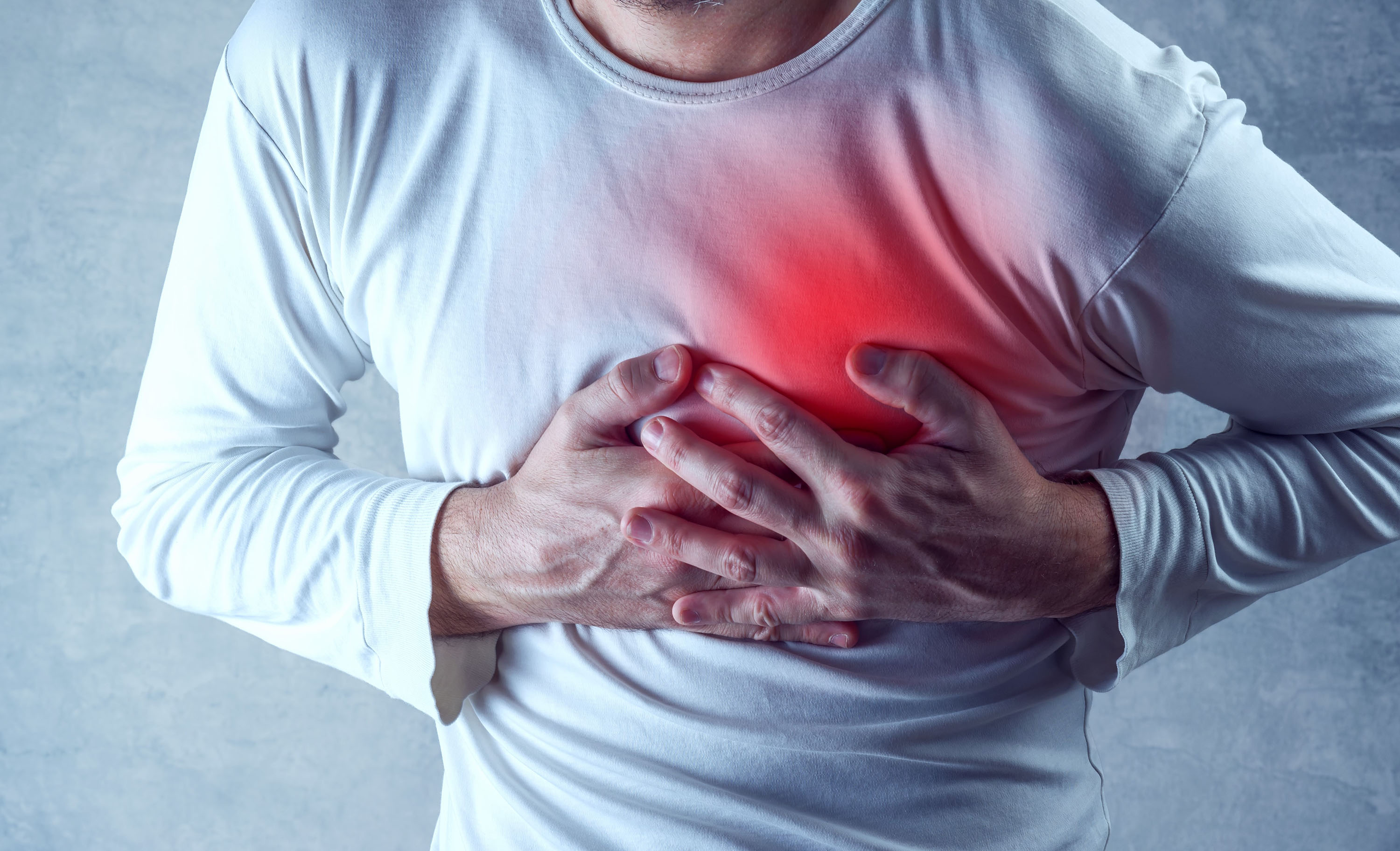
<hr><font size="5"><u>Angina</u> is a type of chest pain caused by reduced blood flow to the heart muscle. The most common cause of decreased blood flow to the heart muscle is coronary artery disease. It may occur due to the narrowing of the heart's arteries as a result of arteriosclerosis or atherosclerosis. </font><div><font size="5"><br></font></div><div><font size="5"><u>Symptoms of angina</u>: </font></div><div><font size="5">Chest pain and discomfort are the main symptoms. This feeling of pain or discomfort in the chest may resemble: burning, fullness, pressure, or squeezing. </font></div><div><font size="5">Other symptoms associated with chest pain: </font></div><div><font size="5">- Pain in the arms, neck, shoulder, back or jaw.</font></div><div><font size="5">- Vertigo </font></div><div><font size="5">- exhaustion </font></div><div><font size="5">- shortness of breath</font></div><div><font size="5">- Sweating</font></div><div><font size="5">- Nausea </font></div><div><font size="5"><br></font></div><div><font size="5">The severity, duration and type of angina can vary from case to case. New or different symptoms may indicate a more serious form of angina (unstable angina) or a heart attack. </font></div><div><font size="5"><br></font></div><div><font size="5">Any new or worsening symptoms should be evaluated immediately by a healthcare provider who can determine whether you have stable or unstable angina.</font></div><div><font size="5"><br></font></div><div><font size="5"><u>Types of Angina:</u> </font></div><div><font size="5"><br></font></div><div><font size="5">1- Stable angina, also called exercise-related angina, is the most common form of angina. It usually occurs during activity (exertion) or stress and goes away with rest or with angina medication. The pain of stable angina is predictable and usually similar to previous episodes of chest pain. Chest pain is usually short-lived, possibly lasting five minutes or less. The narrowing of the arteries that causes stable angina is either the result of a spasm of the arteries or atherosclerosis, and in both cases, there is no complete blockage in the artery, but rather a narrowing that impedes the blood flow and thus the nutrition of the heart muscle, which causes chest pain. </font></div><div><font size="5">2- Unstable angina (a medical emergency) Unstable angina is unpredictable and occurs at rest. Or the pain of angina pectoris worsens and occurs with the slightest physical exertion. This type is usually severe and lasts longer than stable angina, which may last 20 minutes or longer. The pain does not go away with rest or with regular angina medications. If the blood flow does not improve, the heart will be deprived of oxygen and a heart attack will occur. Angina pectoris may turn from stable to <font color="#e30d0d">unstable in the event of a sudden </font><span>change in the degree of narrowing of the artery. Therefore, a patient who suffers from chest pain as a result of exertion or emotion is advised to visit a cardiologist to take the necessary procedures and find out the causes of pain in order to deal with him safely and scientifically.</span></font></div><div><span><font size="5">3- Variable angina occurs due to a spasm in the arteries of the heart that temporarily reduces blood flow. Severe chest pain is the primary symptom of variable angina. It often occurs at intervals, usually at rest and throughout the night. The pain may be reduced by taking angina medications.</font></span></div><div><span><font size="5">4- Stubborn angina occurs frequently despite regular medication and lifestyle changes. </font></span></div><div><span><font size="5"><br></font></span></div><div><span><font size="5"><u>Angina pectoris treatment:</u> </font></span></div><div><span><font size="5">- Lifestyle changes such as eating a healthy diet, exercising and not smoking.</font></span></div><div><span><font size="5">- medicines</font></span></div><div><span><font size="5">- Angioplasty and stenting</font></span></div><div><span><font size="5">- Open heart surgery </font></span></div><div><span><font size="5"><br></font></span></div><div><span><font size="5">Specialties dealing with this case:</font></span></div><div><span><font size="5">Book your appointment now with a Cardio & Vascular specialist. </font></span></div><div><font size="5"><span>or </span><span>Call: 00962789642222</span></font></div><div><font size="5"><span><br></span></font></div><div><span><a href="https://www.ihospitalapp.com/ar/home"><span>احجز موعدك اليوم مع iHospital</span></a><span>،</span></span><font size="5"><span><br></span></font></div>
For Users
For Doctors
© 2026 iHospital. All rights reserved.